
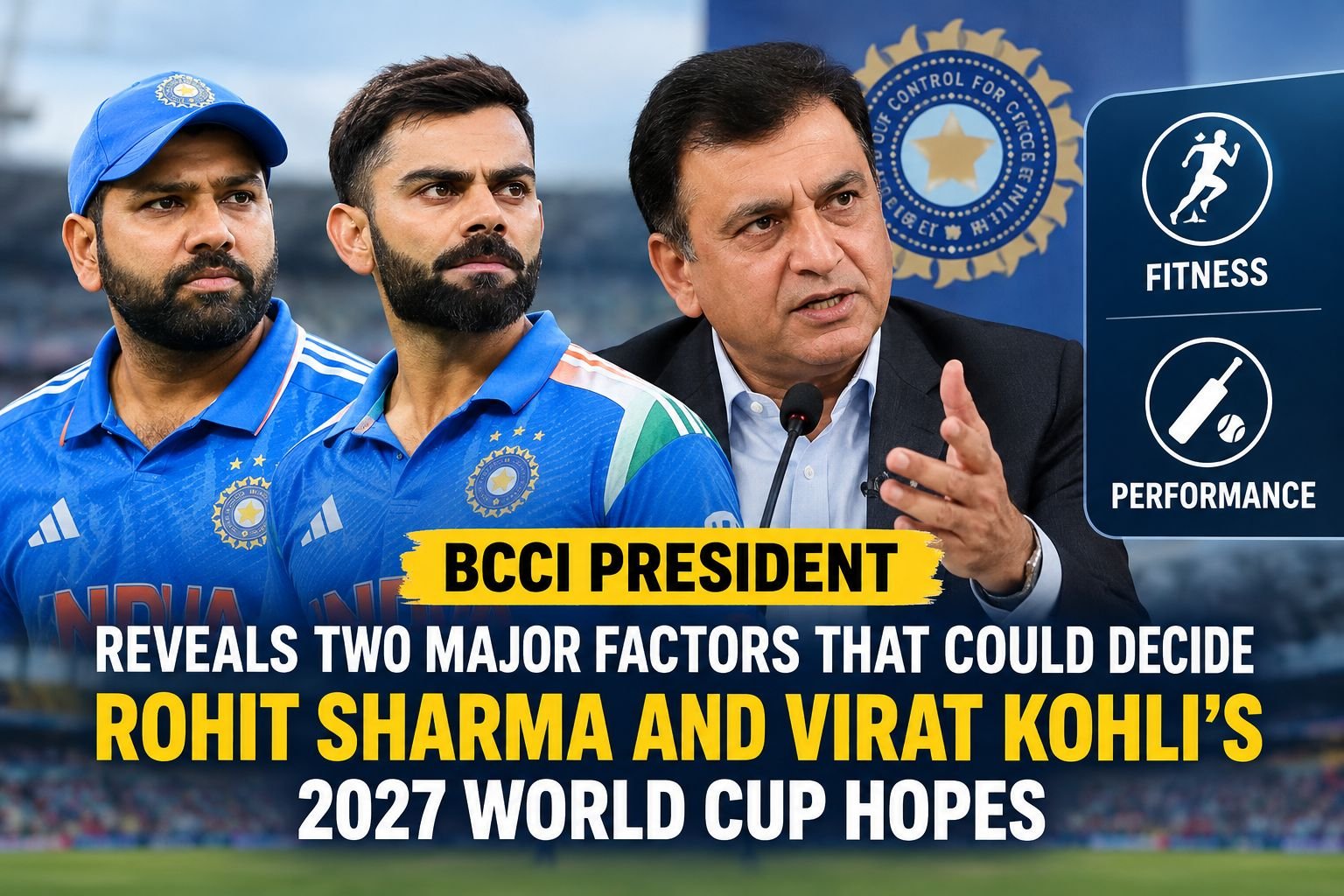

BCCI President Reveals Two Major Factors That Could Decide Rohit Sharma and Virat Kohli’s 2027 World Cup Hopes
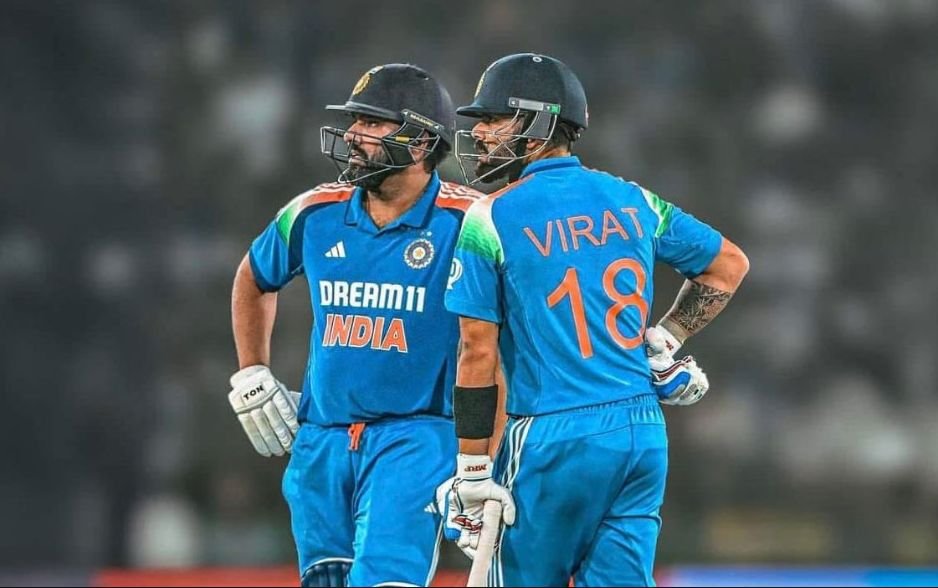
The future of Rohit Sharma and Virat Kohli in India’s plans for the 2027 ICC Cricket World Cup could depend more on their performances and fitness than their age. BCCI president Mithun Manhas has made it clear that these two factors should be the primary considerations when deciding whether a player deserves a place in the national team.
With questions surrounding the long-term roles of India’s senior stars ahead of the next ODI World Cup, Manhas’ remarks offer an important perspective on how experienced players should be assessed. However, he also stressed that the final decision rests with the selectors and coaching staff, rather than the BCCI president.
Fitness and Performance to Determine Selection
Speaking about the selection debate, Manhas highlighted fitness and on-field performance as the two essential requirements for earning a place in the Indian team. According to him, a player’s age should not become a barrier if they remain physically capable and continue delivering match-winning performances.
“As far as the BCCI is concerned, we are not in a position to comment because it all depends on the selectors and the coaches. But from how I look at it, fitness and performance should be the criteria for selection, and definitely not age,” Manhas said.
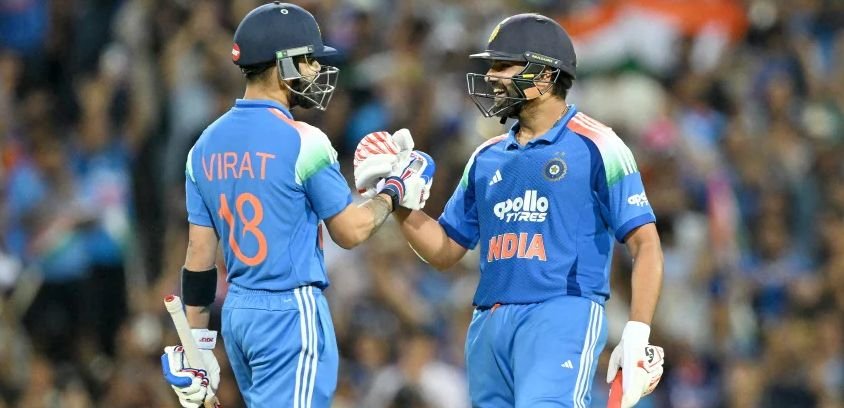
He further explained that players who are fit, perform consistently and contribute to victories for the country should remain in contention, regardless of how old they are.
“If somebody is fit to play, and you see him performing and winning games for the country, that is the only criterion we should focus on,” he added.
These comments are particularly relevant to Rohit Sharma and Virat Kohli, two of India’s most experienced players. Both have played significant roles in the country’s success in international cricket, and their experience could prove valuable as India prepares for the 2027 tournament.
Can Rohit Sharma and Virat Kohli Play in the 2027 World Cup?
Rohit Sharma and Virat Kohli will be among the senior players attracting attention as India builds its squad for the next ODI World Cup, scheduled to take place in South Africa, Zimbabwe and Namibia.
Rohit will turn 40 in April 2027, while Kohli will turn 39 in November of the same year. Their ages have naturally prompted discussions about whether they will remain part of India’s plans for the tournament.
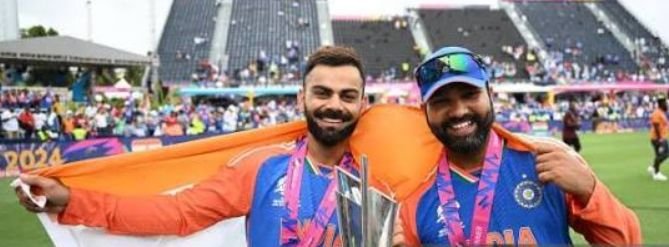
However, Manhas’ position suggests that age alone should not decide their international futures. If both players maintain the required fitness levels and continue producing strong performances in ODI cricket, they could remain candidates for selection.
Their extensive experience, ability to handle pressure and understanding of high-stakes matches could also make them valuable assets. Nevertheless, neither player has a guaranteed place, as the selectors will need to evaluate current form, fitness, team balance and the requirements of the squad.
Ultimately, Manhas’ comments establish a broad principle rather than confirming the selection of either batter for the 2027 World Cup.
Senior Players Could Help Shubman Gill Develop as a Leader
Manhas also discussed the importance of experienced cricketers in supporting Shubman Gill and helping India distribute leadership responsibilities across the team.
He pointed to the value of having senior figures such as Rohit Sharma, Virat Kohli and Hardik Pandya around Gill, while also highlighting Jasprit Bumrah’s potential contribution to leadership within the bowling unit.
“Having Virat, Hardik (Pandya) and Rohit in the side will definitely help him (Gill). Then there are the likes of (Jasprit) Bumrah, who could lead, who can be the bowling captains, and then somebody who will be the fielding captain. So, it is all about the distribution of workload,” Manhas said.
His remarks underline the importance of shared responsibility in a team that could feature a changing leadership structure in the coming years. Experienced players can provide guidance, help younger teammates manage pressure and contribute tactical knowledge during crucial moments.


