








Alexander Zverev Makes Tennis History, Surpasses Andre Agassi’s Record After Securing Year-End World No. 1

Alexander Zverev has reached the summit of men’s tennis, achieving a career-defining milestone by securing the year-end World No. 1 ranking for the first time. The German star’s historic accomplishment was confirmed on October 12, 2026, following Carlos Alcaraz’s unexpected defeat at the Shanghai Masters, which left Zverev mathematically certain to finish the season ahead of his rivals.
At 29, Zverev has written a remarkable new chapter in tennis history. His achievement is particularly significant because he becomes the oldest player to secure the year-end No. 1 honour for the first time, surpassing Andre Agassi’s previous age-related benchmark. It also makes him the first German man since Boris Becker in 1991 to finish a season at the top of the ATP rankings.
A historic breakthrough after years of chasing the top
For years, Zverev has been regarded as one of the most talented players of his generation. His powerful serve, commanding groundstrokes and ability to dictate rallies have made him a formidable opponent on every surface. Yet, despite consistently competing against the biggest names in the sport, reaching the very top of the rankings remained an elusive ambition.
That has finally changed.
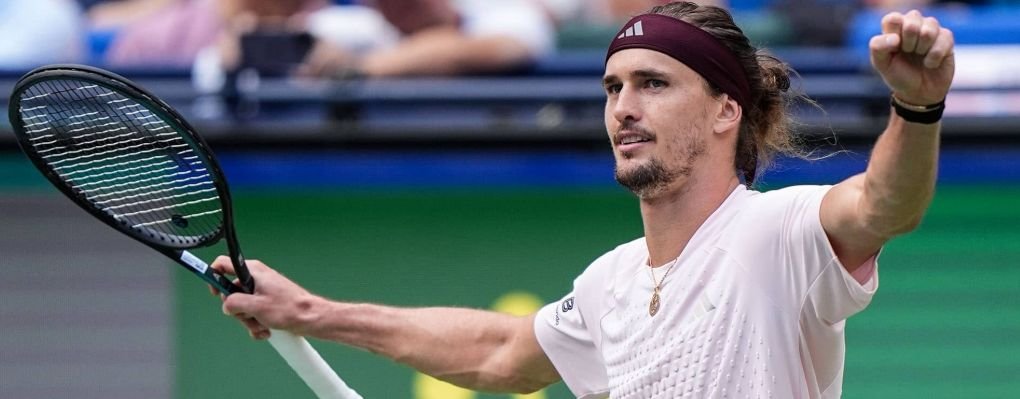
Zverev’s confirmation as the 2026 year-end No. 1 represents the culmination of years of hard work, setbacks and persistence. His achievement is not simply about accumulating ranking points; it reflects a season in which he converted his potential into Grand Slam success and sustained himself among the leading contenders in men's tennis.
French Open and US Open triumphs define Zverev’s season
Two achievements have proved especially important to Zverev's rise: his victories at Roland Garros and the US Open.
The French Open gave the German his long-awaited maiden Grand Slam title, while his subsequent triumph at Flushing Meadows confirmed that his success in Paris was no isolated achievement. Winning two majors in the same season transformed his campaign and strengthened his position in the year-end rankings race.

His success was particularly notable because it followed years of coming close to the biggest prizes without consistently converting those opportunities into titles. In 2026, Zverev finally delivered when it mattered most, turning his experience and ability into the kind of results that define a champion.
Jannik Sinner’s injury changes the rankings battle
Although Zverev's achievements have been central to his historic season, the circumstances surrounding his rise cannot be separated from Jannik Sinner's absence.
The Italian had established himself as one of the dominant players on the ATP Tour and remained the reigning Wimbledon champion after defeating Zverev in the 2026 final. Sinner's victory over the German in four sets demonstrated his ability to deliver under pressure and maintain his position among the sport's elite.
However, a persistent knee problem forced Sinner to withdraw from tournaments and ultimately end his 2026 campaign early. His absence removed a major obstacle in the race for the year-end No. 1 ranking, giving Zverev an opportunity to capitalise on the points accumulated throughout the season.
The distinction matters: Zverev did not dethrone Sinner by beating him in a direct match. Instead, he secured the season-ending ranking through his own campaign and the results of his rivals, with Sinner's injury and Alcaraz's Shanghai exit playing decisive roles.
What makes Zverev’s record so significant?
Finishing the season at No. 1 is one of the most prestigious achievements in professional tennis. Unlike a ranking position earned for a single week, the year-end distinction reflects performance across an entire season.
For Zverev, the milestone carries three major implications:
A place in tennis history: He becomes the first German man to finish a season as World No. 1 since Boris Becker achieved the feat in 1991.
A personal breakthrough: At 29, he becomes the oldest player to achieve the year-end honour for the first time, surpassing the previous age benchmark associated with Andre Agassi.
Validation of a major-winning season: His French Open and US Open titles provide the competitive foundation for a campaign that has taken him to the top of the season-ending standings.
These accomplishments distinguish Zverev's 2026 campaign from an ordinary rise in the rankings. He has not merely benefited from the absence of his rivals; he has also delivered the biggest titles of his career during the same season.
Can Zverev carry his momentum into 2027?
With the year-end No. 1 position secured, attention will now turn to whether Zverev can maintain his level and begin the next season as a sustained force at the top of men's tennis.
The German will also face a different kind of pressure. Reaching the top is one achievement; remaining there requires consistency throughout the calendar, including at tournaments where the margins between victory and defeat are exceptionally small.
Nevertheless, Zverev has given himself an ideal platform. A season featuring two major titles and a historic year-end ranking provides both confidence and evidence that he can compete successfully against the best players in the world.