

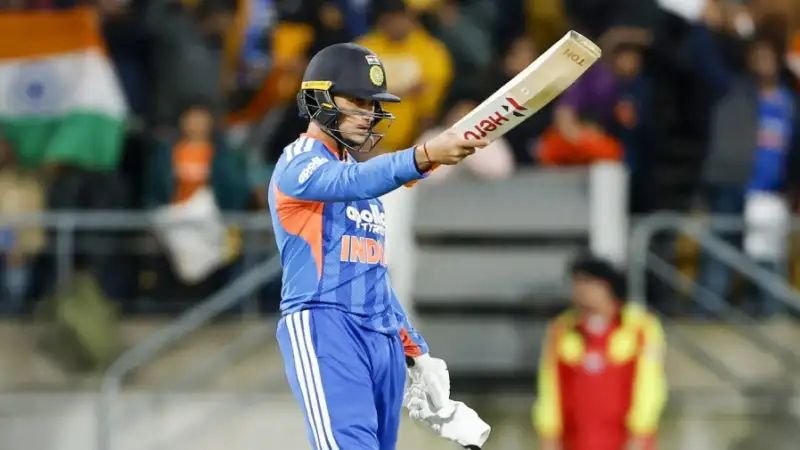


IND vs NZ 4th T20 - ‘Unfair on Samson-Abhishek to Force-Fit Sooryavanshi’: Dinesh Karthik Questions Team Selection
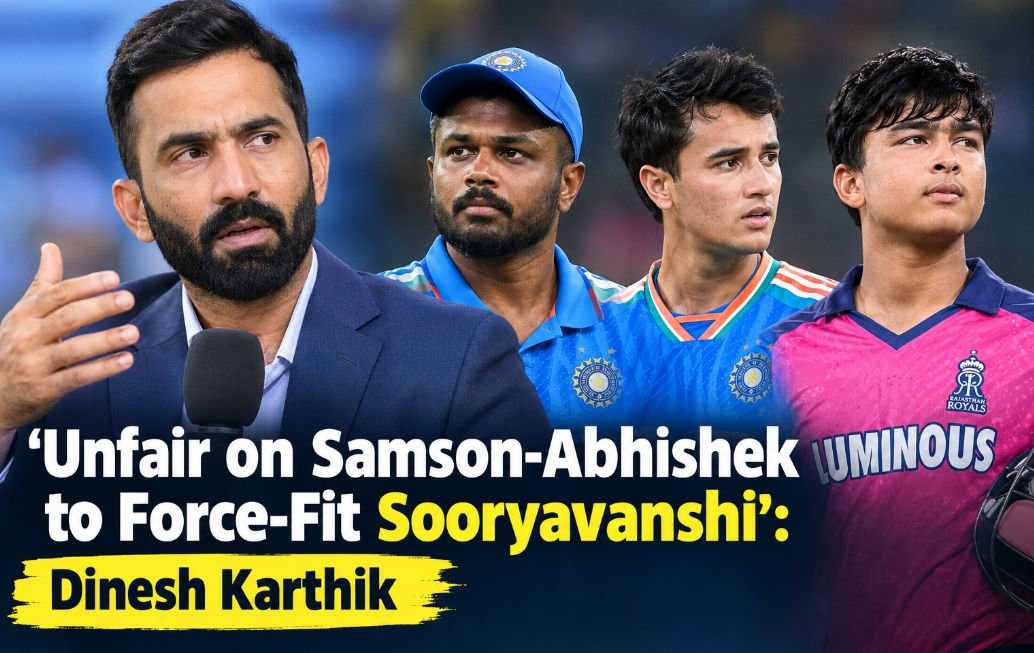
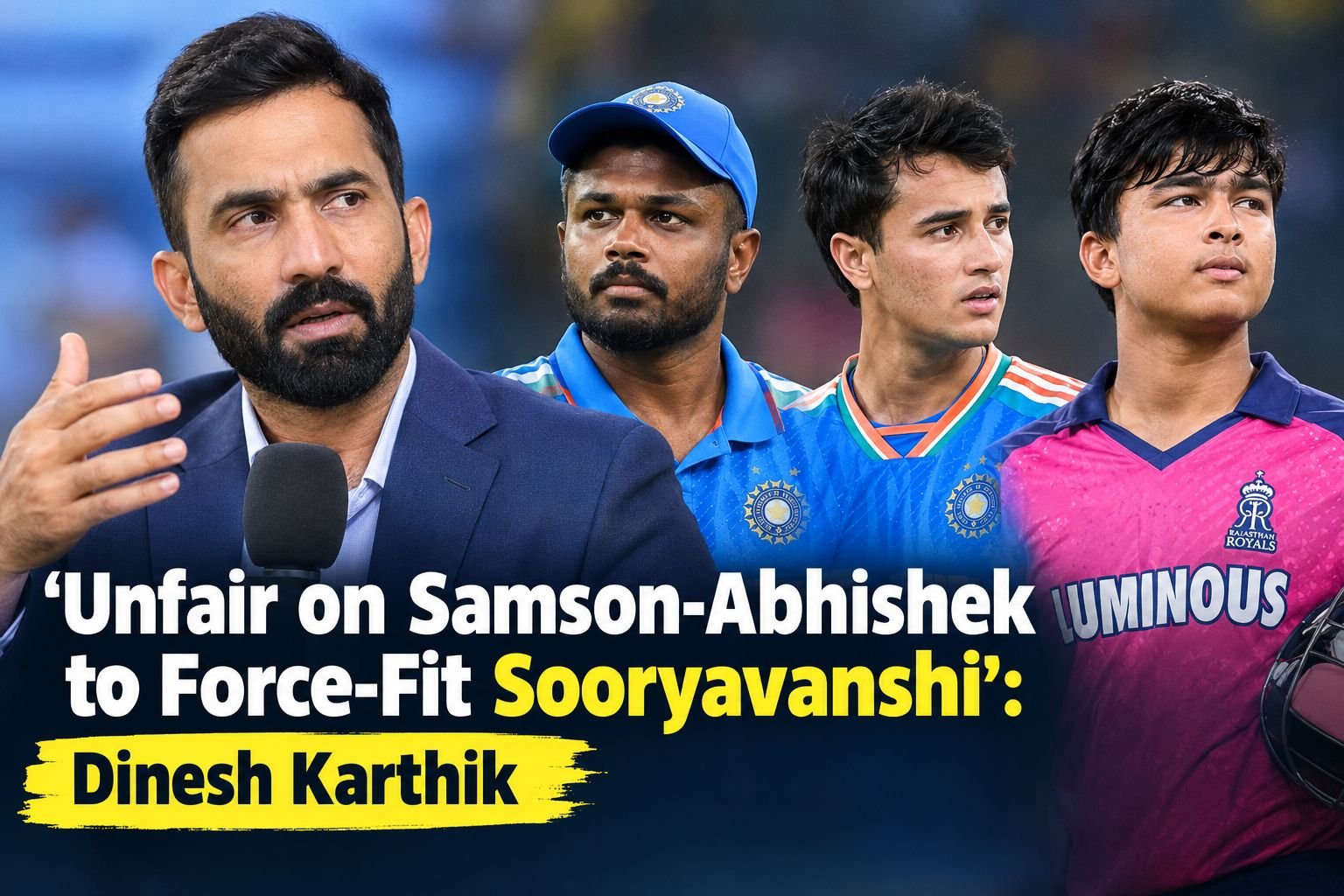
The debate over team selection and player roles has intensified after former India wicketkeeper-batter Dinesh Karthik reportedly raised concerns about the possibility of accommodating young batting sensation Vaibhav Sooryavanshi at the expense of established performers Sanju Samson and Abhishek Sharma.
Karthik’s reported stance highlights an important question in modern cricket: should a team make changes to its established batting combination to fit a highly talented youngster into the playing XI, or should selection continue to be based on form, performance and team balance?
Dinesh Karthik Raises Concerns Over Sooryavanshi’s Inclusion
Vaibhav Sooryavanshi has attracted significant attention for his fearless batting and remarkable ability to score quickly at a young age. His aggressive approach and natural attacking instincts have made him one of the most talked-about young prospects in Indian cricket.
However, selecting a promising youngster comes with its own challenges, particularly when a team already has established players capable of delivering match-winning performances. Karthik’s reported comments suggest that forcing Sooryavanshi into the side without carefully considering the consequences could be unfair to players such as Sanju Samson and Abhishek Sharma.
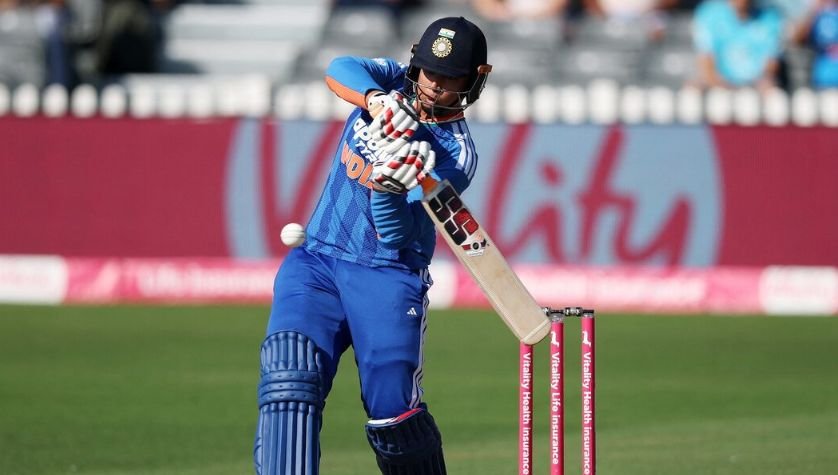
The concern is not necessarily about Sooryavanshi's talent. Instead, it is about whether a player's potential should automatically lead to changes in a combination that is already working.
Why Samson and Abhishek Sharma Matter
Sanju Samson has demonstrated his ability to change the course of a match through aggressive stroke play, while Abhishek Sharma has developed a reputation as an explosive batter who can put opposition bowlers under pressure during the powerplay.
Both players offer considerable value in the shortest format. Their ability to attack from the beginning can give a team momentum and help establish a strong platform for the middle order.
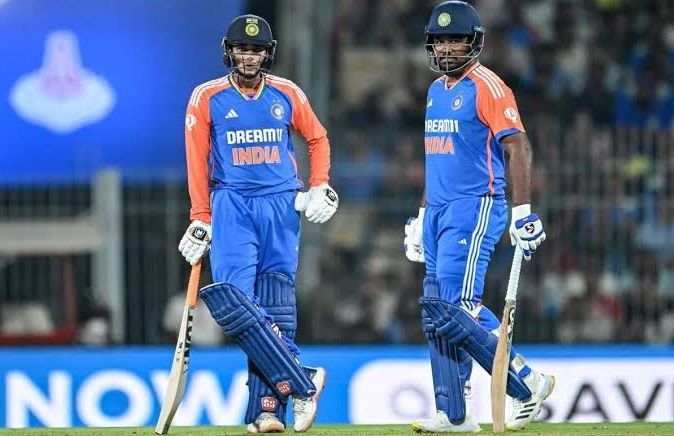
Dropping either player, changing their batting position or reducing their opportunities simply to accommodate another batter could affect their rhythm and confidence. It could also disrupt the team's existing plans.
From a selection perspective, the key is to identify the role that each player performs and determine whether the combination benefits the side as a whole. Reputation and age should not be the only factors influencing such decisions.
Vaibhav Sooryavanshi's Talent Is Not in Question
At the same time, Sooryavanshi's emergence represents an exciting opportunity for Indian cricket. Young players who demonstrate exceptional composure, power and attacking intent deserve opportunities to develop at the highest level.
His inclusion could provide a team with another aggressive option at the top of the order. His fearless approach may also offer tactical advantages against opponents who rely heavily on early breakthroughs.
Nevertheless, potential and established performance are two different considerations. A young cricketer's talent should be assessed alongside the team's requirements, the competition for places and the responsibilities assigned to existing players.
The challenge for selectors and team management is to create a pathway for emerging talent without unnecessarily undermining the contributions of players who have already earned their places.
Team Balance Should Come Before Individual Preferences
In T20 cricket, batting combinations are particularly important because teams have limited overs to maximise their scoring opportunities. Opening positions, left-right combinations, match-ups against bowlers and the availability of middle-order options all influence selection decisions.
Forcing a player into a specific role can sometimes create more problems than it solves. If a team changes the batting order or removes an established performer without a clear tactical reason, the decision may weaken rather than strengthen its overall combination.
A more effective approach would be to assess whether Sooryavanshi can be accommodated naturally within the lineup. If there is a suitable role for him, his inclusion could benefit the team. If not, the management may need to consider alternative opportunities rather than making changes solely to satisfy the excitement surrounding a young prospect.
The Bigger Message for Indian Cricket
The discussion surrounding Samson, Abhishek and Sooryavanshi reflects a wider challenge for Indian cricket: balancing the development of young talent with fairness toward established players.
India has a deep pool of aggressive batters, and competition for places is inevitable. However, selection decisions carry greater credibility when they are supported by clear roles, consistent standards and performances on the field.
Sooryavanshi's potential should be encouraged, but Samson and Abhishek's contributions should also be evaluated on their own merits. A selection decision should strengthen the team rather than create uncertainty among players who have already demonstrated their ability.
Ultimately, the objective is not to choose between established stars and an emerging youngster. It is to find a combination that gives the team the best chance of winning. Giving opportunities to promising players is important, but doing so at the unnecessary expense of proven performers could raise legitimate questions about selection fairness.


